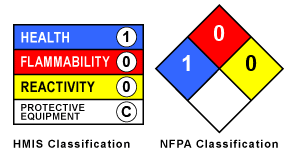
Ammonium Nitrate Solution 20-0-0
AN20 is a liquid ammonium nitrate fertilizer containing both ammoniacal and nitrate nitrogen.
What is it?
Ammonium nitrate is an odorless, colorless or slightly hazy liquid produced by the reaction of ammonia and nitric acid.
How is it used?
Ammonium nitrate is an important compound of many fertilizer mixtures. It provides a source of nitrogen to plants, which increases growth and crop yields. Small quantities of ammonium nitrate are also used as an additive for mining explosives and other non-agricultural uses.
What are the potential hazards?
Under normal transport conditions, AN20 may be handled at elevated temperatures, so thermal injuries are possible. Inhalation of high concentrations of AN20 vapor can cause respiratory tract irritation. Symptoms may include coughing, sore throat, shortness of breath, or even suffocation.
Repeated or prolonged inhalation of AN20 vapors may produce severe respiratory irritation, headache, nausea, or weakness. When swallowed in high concentrations, AN20 may cause headache, dizziness, abdominal pain, vomiting, bloody diarrhea, weakness, tingling, heart and circulation irregularities, convulsions, collapse, and suffocation.
Ammonium nitrate forms a mild acid when mixed with water. This acid can cause irritation to the eyes, nose, and skin.
Is it flammable or explosive?
Ammonium nitrate is non-flammable. However, when exposed to extreme heat it can decompose, forming a visible cloud of ammonia, carbon dioxide, and nitrogen oxides. AN20 can form an explosive mixture if it comes in contact with organic materials.
Emergency Response Procedures
In the event of a spill or accidental discharge, emergency responders should collect the spilled material in suitable containers for reuse or disposal.
What to do if you are exposed
Eye Contact:
Check for and remove contact lenses. Immediately flush with running
water for at least 15 minutes, keeping eyelids open. Obtain medical
attention if irritation persists.
Skin Contact:
Wash irritated skin with soap and water. Dry and cover skin with a
good quality skin lotion. If irritation persists, seek medical attention.
Minor Inhalation:
Loosen tight clothing. Rest in a well-ventilated area. If irritation
or symptoms persist, obtain medical attention.
Severe Inhalation:
Using appropriate respiratory protection, evacuate affected individuals
to a safe area as soon as possible. Loosen tight clothing around the
neck and waist. If breathing is difficult, administer oxygen. If the
person is not breathing, perform artificial respiration and obtain
medical attention.
Ingestion:
If conscious, drink several glasses of water or milk and induce vomiting.
Never give anything by mouth to an unconscious person. Lower the head so
vomit will not reenter the mouth or throat. Call a physician or poison
control center and seek immediate medical attention.
What to do in the event of a spill
- Follow any special instructions given by someone in authority or over radio or TV.
- If there has been a fire or explosion, stay away from the incident site.
- Follow marked emergency routes or directions from police to travel to your destination.
Unless you are told by authorities:
- Do not evacuate or travel.
- Do not bring home children from school or other family members from work.
- Do not call 911 or any other authority for information. Keep your telephone line free.
When you have been advised of an ALL CLEAR by local authorities, open your house to air it out.